

SINGAPORE: Every year on Feb 15, sirens are heard islandwide over Singapore’s public warning system to commemorate Total Defence Day.
But if those sirens were to sound in a real wartime emergency, would you know where to go and what to do?
Singapore has a network of civil defence public shelters in which you can take refuge if you are outside. More than 580 such shelters are located in selected underground MRT stations, void decks of Housing Board blocks, schools, community centres and government buildings.
In an overnight exercise with the Singapore Civil Defence Force (SCDF), CNA got an exclusive look at what it takes to turn an MRT station into a bomb shelter.
SCDF’s Public Shelter and Resilience Units are tasked with operating these safe havens.
Past 1am, about 70 operationally ready national servicemen are in full gear at Buangkok MRT station, which has ended train services for the day.
They are there to rehearse the conversion of the MRT station into a functional public shelter that can house about 7,000 members of the public.

People enter the civil defence public shelter at Buangkok MRT station, as SCDF officers close the blast doors in the background. (Photo: CNA/Raydza Rahman)
First, the commander of the Public Shelter and Resilience Unit takes over control of the station, and takes up his command post at the passenger service centre.
Once civilians enter the MRT station and are safely underground, blast doors will be activated to seal off the concourse level.
These heavy doors protect those within the station from the blast effects of any explosions outside. On the concourse level, they are automated and close at the touch of a button.

An SCDF officer closes the blast doors of the civil defence public shelter in Buangkok MRT station. (Photo: CNA/Raydza Rahman)
There are also blast doors in the MRT tunnels. These must be manually installed on top of the train tracks, in a lengthier and more labour-intensive process.

SCDF personnel seal the blast door inside the train tunnel at Buangkok MRT station. (Photo: CNA/Raydza Rahman)
If you are outside when you hear the “alarm” signal of the public warning system:
Inside the station, civilians can shelter on the concourse where the MRT gantries are located, and on the platforms where commuters usually board trains. Areas where people can sit are marked out with tape on the floor.
If MRT trains are berthed in the station, people may also shelter inside. In that case, ventilation ducts will be installed so that fresh air can move through the trains.

SCDF officers set up ventilation ducts for a train berthed at Buangkok MRT station. (Photo: CNA/Raydza Rahman)
When nature calls, be prepared to do your business in a bag. Makeshift dry toilets are set up on the platform to supplement the washrooms inside MRT stations.
A dry toilet kit is distributed to each person for each use, containing an absorbent, a pack of tissues and a wet wipe.
Inside the dry toilet cubicle is a low stool. Where there would usually be a seat, there is instead netting in which the absorbent is placed.

The dry toilet in a civil defence public shelter. (Photo: CNA/Raydza Rahman)
After using the absorbent, it is placed in the hygiene bag provided and thrown away. There are also sinks where you can wash your hands.

The sinks at a makeshift toilet in a civil defence public shelter. (Photo: CNA/Raydza Rahman)
Household shelters and storey shelters – located along the common area of every floor – remain the primary forms of civil defence shelters.
In a wartime emergency, you will be asked to prepare these shelters by:
If you are at home when the public warning system siren sounds:
An innocuous-looking door at the concourse leads into a corridor of rooms containing critical installations that keep the public shelter running in an emergency.
This area houses the water mains and an ultraviolet filter, two diesel generators and an air filtration system to make sure that potable water, electricity and clean air are always available.

SCDF officers at the water mains in Buangkok MRT station. (Photo: CNA/Raydza Rahman)

A back-up generator in Buangkok MRT station. (Photo: CNA/Raydza Rahman)
The section, which is usually closed off to the public, also contains a decontamination area resembling open-concept shower stalls.

The decontamination area of the civil defence public shelter in Buangkok MRT station. (Photo: CNA/Raydza Rahman)
That night’s exercise is for a conventional bomb attack, as opposed to one involving radioactive or biochemical weapons.
But if “dirty bombs” are involved, civilians would first have to go through decontamination before they can enter the shelter.
During peacetime, the Public Shelter and Resilience Units conduct regular exercises to maintain readiness.
In a wartime emergency, these same units will conduct activities to educate the public on sheltering procedures.
Continue reading...
But if those sirens were to sound in a real wartime emergency, would you know where to go and what to do?
Singapore has a network of civil defence public shelters in which you can take refuge if you are outside. More than 580 such shelters are located in selected underground MRT stations, void decks of Housing Board blocks, schools, community centres and government buildings.
In an overnight exercise with the Singapore Civil Defence Force (SCDF), CNA got an exclusive look at what it takes to turn an MRT station into a bomb shelter.
CLOSING THE BLAST DOORS
SCDF’s Public Shelter and Resilience Units are tasked with operating these safe havens.
Past 1am, about 70 operationally ready national servicemen are in full gear at Buangkok MRT station, which has ended train services for the day.
They are there to rehearse the conversion of the MRT station into a functional public shelter that can house about 7,000 members of the public.
People enter the civil defence public shelter at Buangkok MRT station, as SCDF officers close the blast doors in the background. (Photo: CNA/Raydza Rahman)
First, the commander of the Public Shelter and Resilience Unit takes over control of the station, and takes up his command post at the passenger service centre.
Once civilians enter the MRT station and are safely underground, blast doors will be activated to seal off the concourse level.
These heavy doors protect those within the station from the blast effects of any explosions outside. On the concourse level, they are automated and close at the touch of a button.
An SCDF officer closes the blast doors of the civil defence public shelter in Buangkok MRT station. (Photo: CNA/Raydza Rahman)
There are also blast doors in the MRT tunnels. These must be manually installed on top of the train tracks, in a lengthier and more labour-intensive process.
SCDF personnel seal the blast door inside the train tunnel at Buangkok MRT station. (Photo: CNA/Raydza Rahman)
What to do if you’re outside during an emergency
If you are outside when you hear the “alarm” signal of the public warning system:
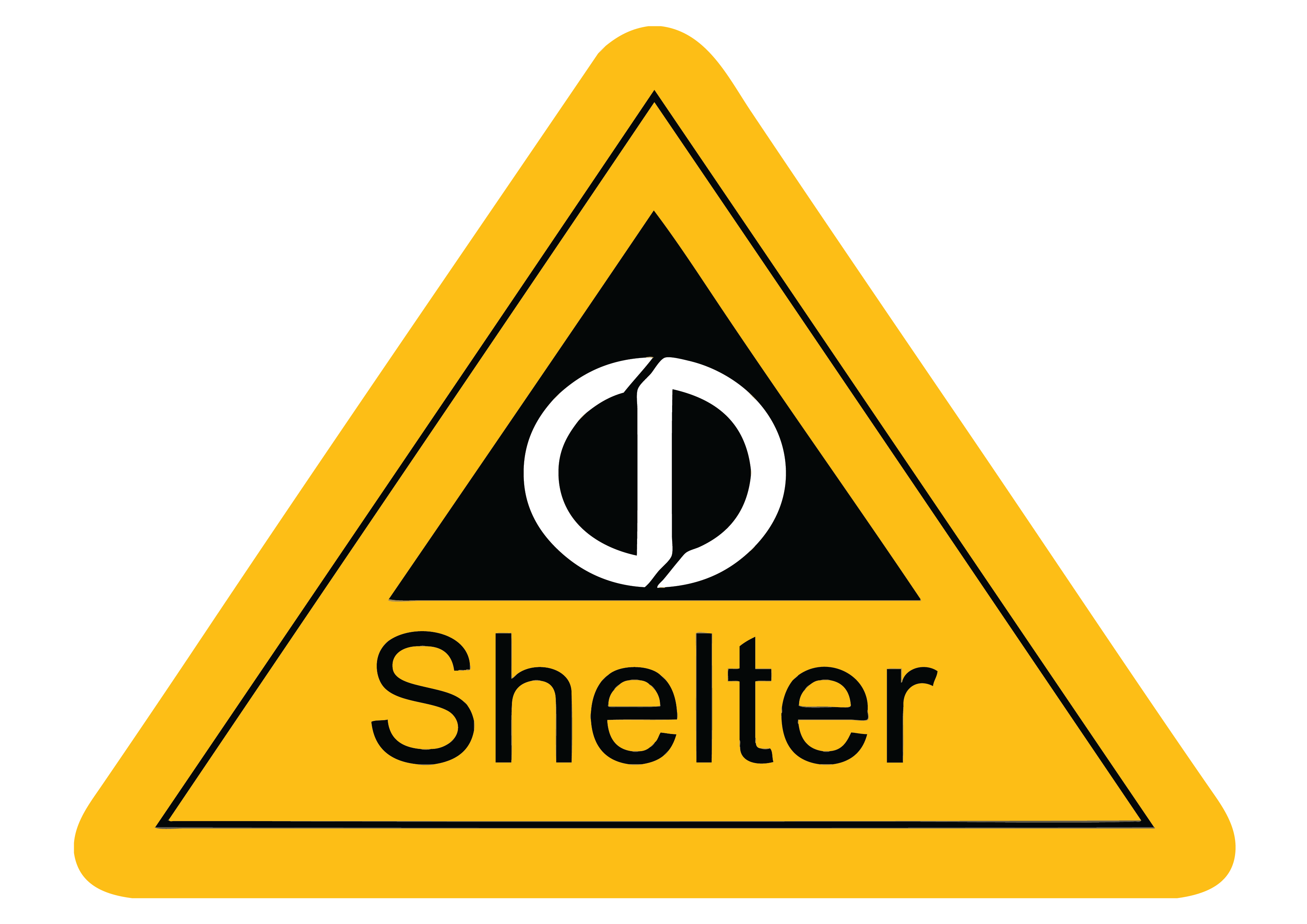
- Move fast towards the nearest civil defence public shelter, which you can identify from the yellow triangle symbol at the entrance
- Move together with your family if you are with them. Help the handicapped, children and the aged
- Do not bring bulky items and flammable substances in
- If you cannot find a civil defence public shelter within a few minutes of the alarm sounding, then seek shelter in a tunnel, underpass, underground basement, ditch, drain culvert or even an open drain
SHELTERING IN THE STATION
Inside the station, civilians can shelter on the concourse where the MRT gantries are located, and on the platforms where commuters usually board trains. Areas where people can sit are marked out with tape on the floor.
If MRT trains are berthed in the station, people may also shelter inside. In that case, ventilation ducts will be installed so that fresh air can move through the trains.
SCDF officers set up ventilation ducts for a train berthed at Buangkok MRT station. (Photo: CNA/Raydza Rahman)
When nature calls, be prepared to do your business in a bag. Makeshift dry toilets are set up on the platform to supplement the washrooms inside MRT stations.
A dry toilet kit is distributed to each person for each use, containing an absorbent, a pack of tissues and a wet wipe.
Inside the dry toilet cubicle is a low stool. Where there would usually be a seat, there is instead netting in which the absorbent is placed.
The dry toilet in a civil defence public shelter. (Photo: CNA/Raydza Rahman)
After using the absorbent, it is placed in the hygiene bag provided and thrown away. There are also sinks where you can wash your hands.
The sinks at a makeshift toilet in a civil defence public shelter. (Photo: CNA/Raydza Rahman)
How to prepare your home shelter for an emergency
Household shelters and storey shelters – located along the common area of every floor – remain the primary forms of civil defence shelters.
In a wartime emergency, you will be asked to prepare these shelters by:
- Removing all temporary fixtures and shelves inside the shelter
- Closing and sealing the two ventilation openings on the wall
- Equipping the shelter with a radio
- Locating your Wi-Fi router as close as possible to within 5m from the shelter
If you are at home when the public warning system siren sounds:
- Turn off the gas and water supplies
- Bring your radio, mobile phones, water, food, and a pre-packed ready bag into the shelter
- Close the shelter door
- Sit away from the door and walls of the shelter and do not lean on them
- Tune in to local free-to-air radio or TV channels for important messages by the SCDF
- You can leave the shelter once the “all clear” signal is sounded.
ENSURING WATER, ELECTRICITY AND AIR SUPPLY
An innocuous-looking door at the concourse leads into a corridor of rooms containing critical installations that keep the public shelter running in an emergency.
This area houses the water mains and an ultraviolet filter, two diesel generators and an air filtration system to make sure that potable water, electricity and clean air are always available.
SCDF officers at the water mains in Buangkok MRT station. (Photo: CNA/Raydza Rahman)
A back-up generator in Buangkok MRT station. (Photo: CNA/Raydza Rahman)
The section, which is usually closed off to the public, also contains a decontamination area resembling open-concept shower stalls.
The decontamination area of the civil defence public shelter in Buangkok MRT station. (Photo: CNA/Raydza Rahman)
That night’s exercise is for a conventional bomb attack, as opposed to one involving radioactive or biochemical weapons.
But if “dirty bombs” are involved, civilians would first have to go through decontamination before they can enter the shelter.
During peacetime, the Public Shelter and Resilience Units conduct regular exercises to maintain readiness.
In a wartime emergency, these same units will conduct activities to educate the public on sheltering procedures.
Continue reading...